

Quick Summary
A curb appeal checklist is worth it when selling because it sets a clear order of work, so you spend time and money on the jobs buyers notice first. Start with cleanup, edging, and mulch, then move to the front door, lighting, and bins before listing photos.
- Cleanup and edging give the highest visual impact for the lowest cost.
- Apply a uniform 2 to 3 inch layer of dark mulch in beds.
- Trim shrubs so they sit below windows and stay clear of the front door.
- Clean the garbage bins and keep them out of sight on photo day.
- Do a fifteen-minute walk-through the morning of an open house.
Table of Contents
- Is a Curb Appeal Checklist Worth It When Selling?
- Why the Curb Appeal Checklist Matters Before You List
- Front Yard Landscaping Ideas for Selling a Home
- Quick Curb Appeal Improvements You Can Finish This Weekend
- Front Door, Entryway, and Exterior Lighting
- Home Exterior Maintenance Before Selling
- Open House Curb Appeal Checklist: Final Walk-Through
- Booking Exterior Cleaning Before Your Listing Photos
- Frequently Asked Questions
Is a Curb Appeal Checklist Worth It When Selling?
Last Updated: November 9, 2026
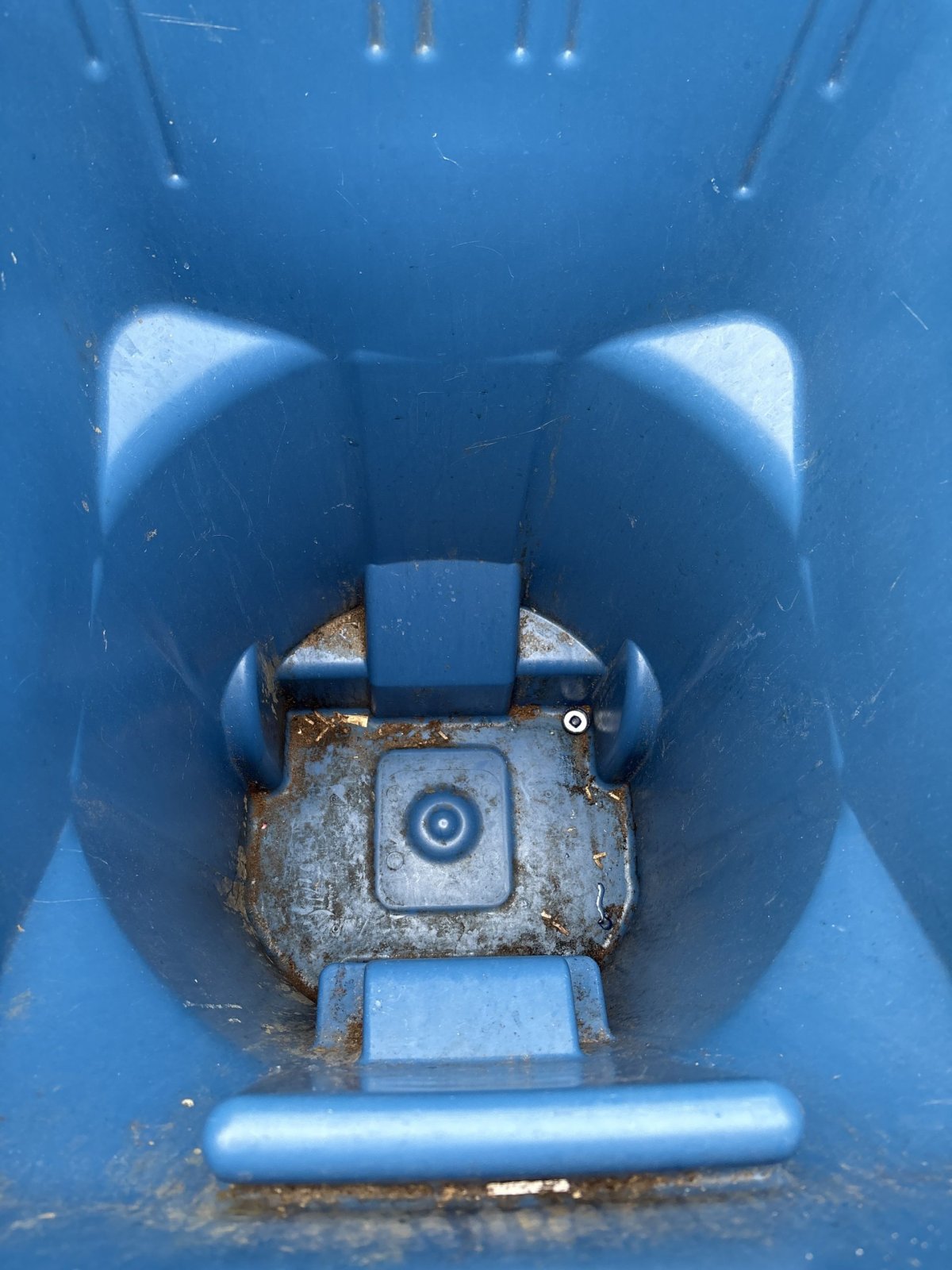
Buyers form an opinion about a home before they step inside. A curb appeal checklist for selling a home gives you a clear order of work, so you spend time on the jobs that make the biggest difference. Trash bins that sit at the curb can shape how a listing looks in photos.
Curb appeal is simply how the outside of your home looks from the street. It covers the lawn, the walkway, the front door, the lights, and anything placed at the curb on the day photos are taken.
Here is what this guide covers:
- Landscaping choices that look good without a big budget
- Quick jobs you can finish in a day or two
- Door, entry, and lighting fixes
- Exterior maintenance to handle before you list
- A final walk-through for open houses
- When to book professional exterior cleaning
Why the Curb Appeal Checklist Matters Before You List
A checklist keeps you from working on the wrong things. A written list keeps the order clear.
Start with what a buyer sees in the first ten seconds:
- A tidy lawn with edges cut and beds weeded
- A clean path from the curb to the front door
- A door that looks fresh and works smoothly
- Bins and hoses out of sight or clean
Working from a list also helps you stay on budget. Each item gets a yes or no, and anything that needs a pro goes on a separate line.
Front Yard Landscaping Ideas for Selling a Home
Landscaping is the part of the checklist that changes the look of the house fastest, but not every landscaping dollar returns the same. Treat this section as a prioritization exercise, not a planting spree. The goal is a tidy, healthy, well-defined front yard that reads clearly in a photograph taken from the street.
Prioritize by visual impact per dollar
Rank landscaping tasks in this order. The top items cost the least and show up most in listing photos:
- Cleanup and edging. Remove dead leaves, pull weeds from beds and walkway cracks, and cut a sharp edge along the lawn and path. This is usually the highest-impact, lowest-cost step and it makes every other improvement look better.
- Mowing and trimming. Mow at a consistent height and trim around trees, fences, and the mailbox. A crisp line along the driveway signals a maintained property.
- Fresh mulch. A uniform 2 to 3 inch layer of dark mulch in beds makes the yard look finished and helps retain moisture. Avoid piling mulch against the siding or tree trunks.
- Shrub shaping. Trim overgrown shrubs so they sit below windows and stay clear of the front door. Buyers should be able to see the entry, not push through branches.
- Seasonal color. A few pots or a small bed of seasonal flowers near the entry adds warmth for a modest cost. Keep it simple and consistent with the home’s style.
What to skip before listing
Avoid planting large new shrubs or trees right before listing. They look small, need time to settle, and can look worse in photos than an established, well-trimmed bed. Skip full redesigns and hardscape projects unless something is broken; those are better framed as buyer projects than rushed seller expenses.
The digital-first angle most guides miss
Many buyers see your home online before they stand at the curb, so judge your landscaping through a phone screen. Take a photo from the street at the same angle a listing photographer would use, then look for what disappears: thin grass, bare beds, and cluttered edges vanish into a flat green blur. Sharp edging, dark mulch, and a clear path to the door are the details that survive compression and small screens. If a feature does not read in a thumbnail, it is not worth the spend before listing.
Watch out: over-pruning shrubs in the weeks before photos can leave bare, stubby branches that look worse than the overgrowth you started with. Trim lightly and let the shape fill in.
Quick Curb Appeal Improvements You Can Finish This Weekend
Some of the best returns come from small tasks. Plan these for one or two days:
- Pressure wash the walkway and driveway to remove stains and algae.
- Replace house numbers if they are faded or mismatched.
- Touch up paint on trim, railings, and the garage door.
- Clear the curb of clutter, hoses, and loose items.
- Clean the garbage bins and keep them out of sight on photo day.
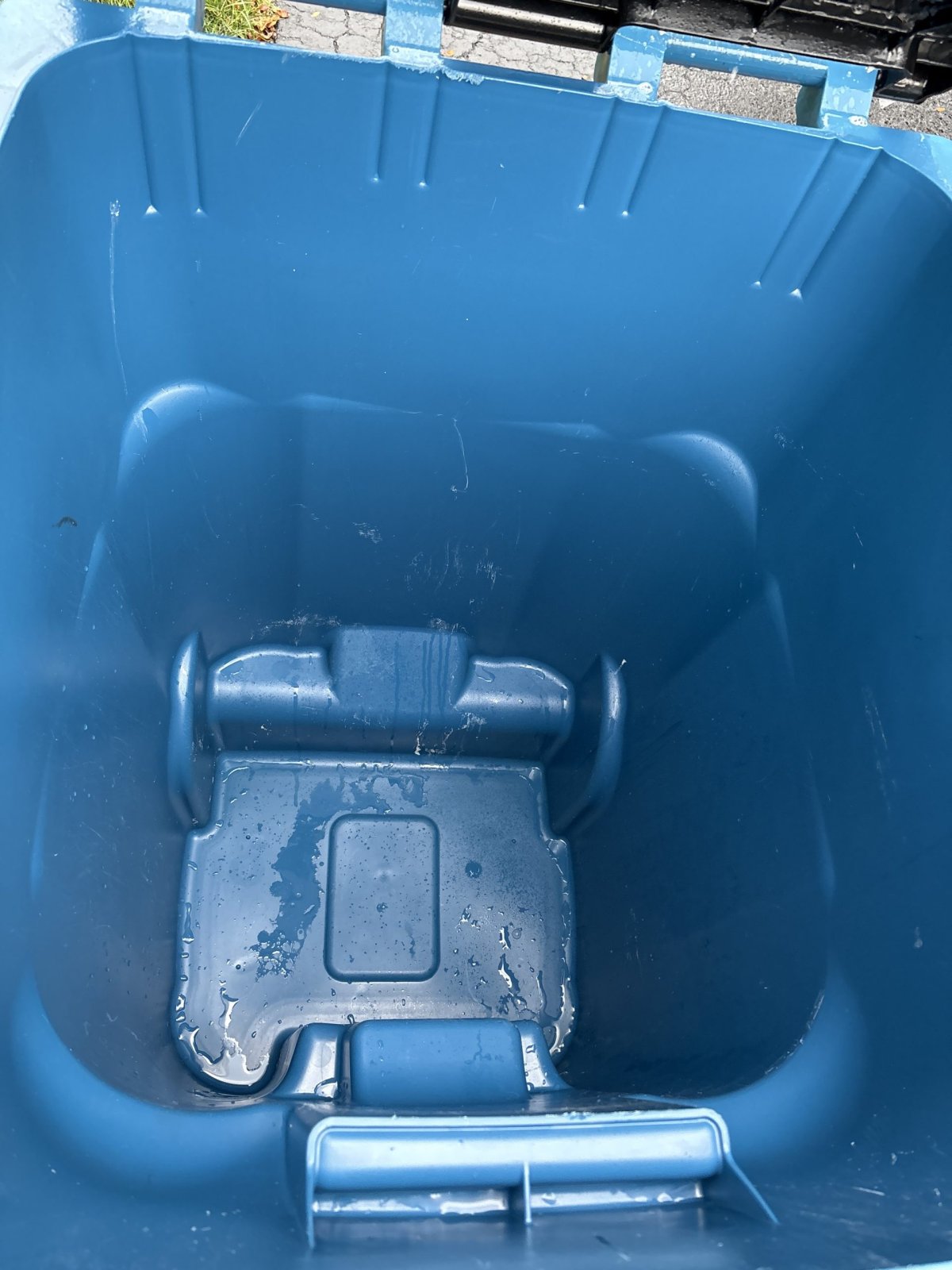
Trash bins are easy to overlook. They sit at the curb, and buyers may notice odors and grime. Clean them the day before photos, then move them behind a gate or into the garage.
Watch out: power washing can strip paint or damage siding if you hold the nozzle too close. Use a wide spray and keep it moving.
Front Door, Entryway, and Exterior Lighting
The front door is the focal point of the entry. A fresh coat of paint in a neutral or classic color often makes the biggest visual change for the least money.
Check these items:
- Door hardware that is polished and working smoothly
- A doormat that is clean and in good shape
- A house number that is easy to read from the street
- Porch lights that work and match the fixtures
Exterior lighting matters for evening showings and listing photos. Replace burned-out bulbs and use warm white light, which feels welcoming. Clean the fixtures so the light is not dimmed by dust.
Home Exterior Maintenance Before Selling
Maintenance problems are easy to spot and easy to fix before you list, but the order matters. Walk the outside of the home with a notepad and a phone camera, working from the roof down so you do not miss anything overhead. Photograph each issue; the photos double as a record and help you get accurate quotes.
Work top to bottom
- Roof line. Look for missing, curling, or lifted shingles and any sagging along the ridge. From the ground, use binoculars rather than climbing.
- Gutters and downspouts. Check for debris, loose sections, and stains that suggest overflow. Confirm downspouts direct water away from the foundation.
- Siding and trim. Note peeling paint, soft or rotted wood, and gaps where caulk has failed around windows and doors.
- Foundation and grade. Look for soil that slopes toward the house, cracks in the visible foundation, and mulch or dirt piled against the siding.
- Walkways and driveway. Flag cracked, heaved, or trip-hazard sections. A lifted slab near the entry is both a safety issue and a negotiation point.
Fix versus disclose
Not every defect needs to be repaired before listing. Cracked caulk, a loose gutter, and a missing shingle are cheap fixes that remove a buyer’s reason to discount. A roof at the end of its service life is usually better disclosed than replaced under time pressure, because a rushed replacement rarely returns its full cost at sale.
Keep a paper trail
Save receipts, warranties, and before-and-after photos for every repair you complete. Buyers and their inspectors ask questions, and a documented fix answers them faster than a verbal promise. If a repair was done by a licensed contractor, note the license and permit details; some exterior work requires a permit, and an unpermitted repair can become a disclosure problem later.
The ROI lens competitors skip
A useful filter is to ask which repairs a buyer will notice in the first ten seconds versus which ones only an inspector will find. Spend first on what the eye catches from the curb, then on what protects the structure.
Watch out: pressure washing siding, trim, or a wood deck can force water behind the surface. Use a wide spray, keep the nozzle moving, and test a small hidden area first.
Open House Curb Appeal Checklist: Final Walk-Through
Do one last walk-through on the morning of an open house or showing. This takes about fifteen minutes.
- Make sure the lawn is mowed and the walkway is clear
- Turn on exterior lights, even during the day if it is dim
- Put out a fresh doormat and remove any stray leaves
- Confirm the bins are out of view
- Check that the door opens and closes cleanly
Stand at the curb and look at the house from the buyer’s view. What catches your eye first? Fix that item before you open the door.
Booking Exterior Cleaning Before Your Listing Photos
Professional exterior cleaning saves time and handles jobs that are hard to do yourself. Consider booking a service for trash bins, pressure washing, or gutter cleaning in the week before photos. You can find a local option for professional trash can cleaning in Willistown before your listing date. Schedule it early, since service slots can fill up.
Chester County Clean Cans offers curbside cleaning for residential and commercial trash and recycling bins. Our process uses 200° hot water to sanitize, deodorize, and remove grime, and service is completed within 24 hours. Plans are available monthly, quarterly, or as a one-time cleaning. Request a quote from Chester County Clean Cans before your listing date so your bins are fresh for photos.
Frequently Asked Questions
Does curb appeal matter when selling a house?
Yes. Buyers often form their first impression from the street, and the exterior sets expectations before they step inside. A tidy lawn, clean walkway, fresh front door, and working exterior lights signal that the home has been cared for. Curb appeal will not fix structural problems, but it can get buyers to book a showing and pay closer attention to the interior. Focus first on the tasks that are cheapest and most visible, such as edging, weeding, and power washing the walkway.
What should I fix outside my house before selling?
Start with the items buyers see first: overgrown shrubs, weeds in beds and cracks, peeling paint on the trim or front door, cloudy exterior light fixtures, and a dirty driveway or walkway. Check house numbers so they are readable from the street. Repair loose railings or steps, since they are both a visual and a safety concern. Dealing with these items usually matters more than adding new features.
How can I improve curb appeal quickly before listing my home?
Most quick wins take a weekend or less: mow and edge the lawn, trim hedges, pull weeds, add fresh mulch, power wash the front walk and steps, and touch up paint on the door and trim. Replace burned-out bulbs in exterior fixtures and remove personal items such as hoses, bins, and toys from the front yard. Put a fresh doormat or simple planter by the entry. Prioritize the front of the house, since that is what buyers see from the curb and during the first minute of a showing.
What outdoor projects should I avoid before selling my home?
Avoid large projects that will not finish before listing, such as a full driveway replacement or a new fence that starts construction on the day of the open house. Skip bold color choices that may not appeal to most buyers. Do not leave half-finished repairs, open trenches, or piles of materials visible from the street. If a major project is needed, a real estate agent can help you decide whether to fix it, disclose it, or price the home to reflect it.
