
Table of Contents
- Why Are There Maggots in My Trash Can?
- How Long Do Maggots Live in a Trash Can?
- What Kills Maggots in a Trash Can
- How to Clean a Trash Can After Maggots
- How to Prevent Maggots in Trash Can
- When Maggots Signal a Bigger Problem
- Frequently Asked Questions
Last Updated: October 17, 2026
Why Are There Maggots in My Trash Can?
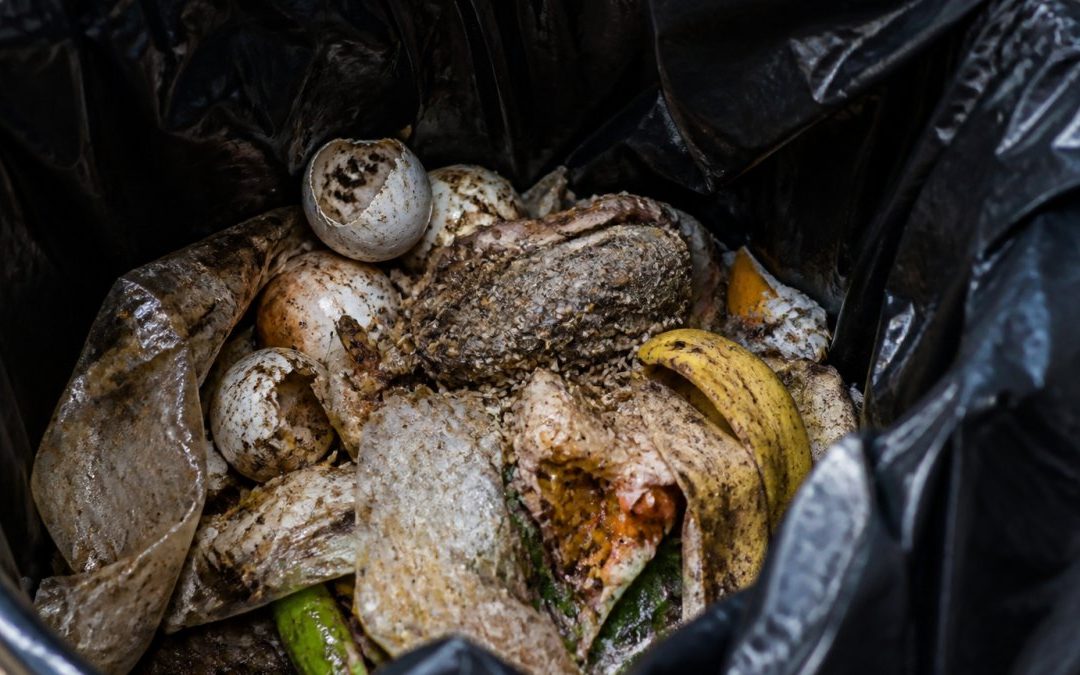
Maggots in trash can mean flies found food and laid eggs there. The eggs hatched into larvae, and those larvae are now feeding on whatever is rotting inside.
The short answer: a fly got in, and your bin gave it everything it needed. Warmth, moisture, and a meal.
Below, we’ll show you exactly how to kill what’s there now, clean the bin properly, and stop it from happening again.
The Fly Life Cycle and Timing
A fly’s life moves fast. An adult female lays eggs on rotting food, and those eggs hatch into maggots in about a day in warm weather.
That speed is why a bin can look fine on Monday and be crawling by Thursday. You are not doing anything wrong.
The practical takeaway: check your bin every couple of days in hot weather. A problem caught early is a rinse.
What Attracts Flies to Your Bin
Flies are drawn to a short list of things, and most bins offer all of them.
- Food scraps and rotting organic matter. This is the big one.
- Meat scraps and bones. Flies find these fastest.
- Beverage residue. Sticky sugar film on the bottom and sides.
- Odor. A smelly bin is a beacon.
- Moisture and humidity. Damp waste breeds larvae faster.
A tight-fitting lid helps, but it is not a force field. Flies slip through gaps and lay eggs on the rim and under the lid, where you never look.
The most common mistake we see is rinsing the bin but skipping the lid and the rim. That’s exactly where flies lay eggs. If you don’t clean the lid, you haven’t solved the problem.
How Long Do Maggots Live in a Trash Can?
Maggots live in a trash can for roughly three to seven days before they crawl off to pupate.
So the maggots you see today will be flies next week if you do nothing. That is the whole reason to act now instead of waiting for the next pickup.
Cooler weather slows the cycle. Heat speeds it up. Either way, the clock is running.
What Kills Maggots in a Trash Can
Maggots are soft-bodied larvae with no protective shell, so most direct-contact treatments work fast. The trade-off is that the treatment has to reach them where they actually are: on the food residue, in the corners, under the rim, and in the sludge at the bottom. Pouring something over the top of a full bag does nothing.
Here is what works, ranked by speed and practicality:
- Boiling water. Fastest home fix. It kills larvae on contact and melts the grease film they feed on. Best for outdoor bins you can tip over. Pour slowly from a low height to limit splash, and keep kids and pets back.
- Direct sunlight. Empty the bin, tip it on its side, and let it bake dry. Larvae desiccate and die. This works best on a hot, low-humidity day and does nothing on a cool, overcast one.
- White vinegar. Useful for wiping down surfaces and killing lingering eggs. It is a surface treatment, not a knockdown for a heavy infestation.
- A stiff scrub brush and hot soapy water. This is the step that removes the residue that keeps attracting flies. Killing maggots without removing the food source just resets the clock.
- Diatomaceous earth. A desiccant that damages the larvae’s outer layer. It works in dry conditions and is defeated by moisture, so it is a supplement, not a primary fix.
What Not to Do
- Don’t spray bleach inside the bin. It does not fix the source, it can react with organic waste to produce irritating fumes, and it leaves a residue that can corrode metal parts. Never mix bleach with vinegar or other cleaners; the combination can release toxic gas (Chlorine gas: Get the facts).
- Don’t use pesticide sprays inside a bin you handle. Household insecticides are not labeled for food-contact surfaces, and residue can transfer to bags and hands. If you use any chemical, read the label and follow it exactly.
- Don’t seal a wet, infested bin and leave it. Trapped moisture speeds up the cycle and the smell.
Safety and Handling
Wear gloves and eye protection when handling an active infestation. Boiling water can warp thin plastic and can splash back; pour slowly and work outdoors. For indoor bins, do not carry boiling water through the kitchen. Bag the waste, take it outside, treat the bin there, then wash it with hot soapy water and dry it fully.
If you have a compromised immune system, small children, or pets, treat the bin outdoors and wash your hands thoroughly afterward. Flies move bacteria from surface to surface, so the cleanup matters as much as the kill.
If you would rather not handle it at all, a professional cleaning with high-temperature water does the job without you touching a thing. That is the service we provide at Chester County Clean Cans, and it is built for exactly this kind of mess.
How to Clean a Trash Can After Maggots
Cleaning a trash can after maggots means removing every trace of food, then drying it fully. If you leave residue or moisture behind, the flies come right back.
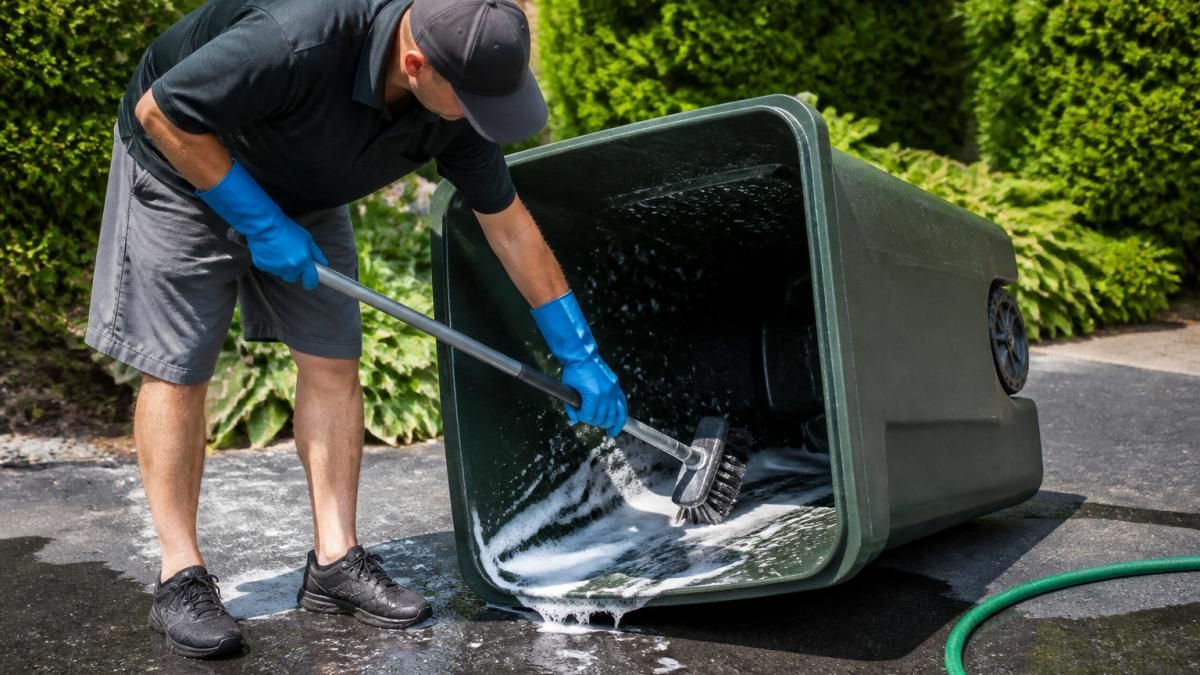
Follow these steps:
- Empty the bin completely. Bag everything and get it to the curb.
- Tip it over and hose it out. Flush out loose maggots and sludge.
- Scrub the inside with hot soapy water. Get the bottom, sides, and corners.
- Clean the lid and rim. This is where eggs hide. Don’t skip it.
- Rinse thoroughly. Soap residue attracts pests too.
- Dry it in direct sun. Tip it upside down so water drains out.
- Let it air out fully before you put a new bag in.
Do this on a sunny day if you can. Sunlight does half the work for you.
Sprinkle a little baking soda in the bottom of the bin before you add a new bag. It soaks up moisture and keeps odor down between cleanings.
How to Prevent Maggots in Trash Can
Preventing maggots comes down to three things: seal the food, keep the bin dry, and clean it on a schedule. Flies cannot breed in a bin that offers them nothing. But the details depend on what you throw away and when your pickup runs, so the generic checklist only gets you partway.
Prevention by Waste Type
- Meat, poultry, and seafood. These draw flies fastest and smell strongest. Double-bag them, freeze scraps in a sealed bag until pickup day if the schedule is delayed, and never leave them loose in the bin.
- Pet waste. Bag it separately and keep it out of the kitchen bin. It is a strong attractant and a common overlooked source.
- Produce scraps and coffee grounds. These rot quickly and hold moisture. Drain them, bag them, and rinse containers before they go in.
- Diapers and food-soiled paper. Wrap them and keep them in a lidded bin; they are moisture reservoirs.
Prevention by Collection Schedule
If pickup is delayed or you are on an every-other-week schedule, the bin has more time to sit in heat. In that case, take food waste out more often, keep the bin in shade, and clean it more frequently than the calendar suggests. A bin that sits through a hot week needs attention before the next pickup, not after.
Indoor vs. Outdoor Bins
Indoor kitchen bins stay cool and dry, so maggots are less common. The fix is simple: take the bag out nightly in summer and wipe the inside weekly. Outdoor bins sit in heat and humidity, which is the perfect breeding ground. They need a good scrub, full drying, and a cleaning schedule that matches the weather.
Outdoor bins in warm weather need cleaning far more often than most people think. Monthly is a good baseline. Weekly during a heat wave is smarter.
Troubleshooting Recurring Infestations
If maggots keep coming back after you clean, the bin itself is usually the problem. Check these overlooked spots:
- Under the liner. Residue trapped beneath the bag feeds larvae you never see.
- The lid and rim. Flies lay eggs in the gap where the lid meets the bin.
- Hinges and handles. Grime collects in crevices that a quick rinse misses.
- Cracks and warped lids. Damaged plastic gives flies a permanent entry point and a place for eggs to survive cleaning.
- Leaks and pooled liquid. A bin that holds liquid at the bottom is a nursery.
- Nearby food waste. A compost pile, pet bowl, or neighbor’s bin can be the actual source.
If the same bin keeps failing no matter how often you clean it, a deep professional cleaning resets it. In some cases, replacing an old cracked can is the honest fix.
If the chore keeps slipping, that is normal. It is a nasty job, and most people put it off. Our monthly and quarterly plans at Chester County Clean Cans exist so you never have to think about it.
When Maggots Signal a Bigger Problem
Sometimes maggots point to something beyond a dirty bin. Watch for these signs:
- Maggots keep coming back after you clean. That means a source you haven’t found.
- They show up in recycling. Rinse your containers; residue draws flies.
- They appear indoors, away from the bin. Check for a separate issue, like spoiled food in a cabinet.
- They’re in a bin you barely use. Something inside is rotting.
Recurring infestations usually mean the bin itself is the problem. Cracked plastic, a warped lid, or years of built-up grime give flies a permanent home.
If maggots keep returning to the same bin no matter how often you clean it, don’t keep scrubbing. Look for cracks, a loose lid, or residue trapped in the hinges. That’s where the eggs are.
One more thing worth knowing: maggots in a bin are a nuisance, not a health crisis. But they do mean flies are breeding near your home, and flies carry bacteria from surface to surface. Keeping the bin clean protects your kitchen, your garage, and your patio.
And if you’re a local sports family, here’s a nice bonus. We donate 20% of sales to the West Chester Henderson Men’s Soccer Team.
Maggots in the trash can are gross, but they’re fixable. The trick is acting fast, cleaning the lid as carefully as the bin, and drying everything completely.
Frequently Asked Questions
Will my bin still get emptied if there are maggots in it?
In most cases, yes. Standard waste collection crews empty bins that contain maggots, though some haulers ask that you bag and seal waste first so larvae and residue do not spill into the truck or onto the street. If the bin is heavily infested, double-bag the waste and clean the can before your next pickup. Check with your hauler for any specific rules, and keep the lid closed so maggots stay contained until collection day.
What can I put in my trash can to kill maggots?
Boiling water is the simplest method: pour it directly over the maggots and let it sit, then scrub and rinse the bin. White vinegar sprayed on larvae and residue also helps, and diatomaceous earth can be dusted in dry bins to dry out larvae. Avoid mixing bleach with other cleaners, and never pour pesticides into a bin that will hold food waste. After treatment, clean and dry the can fully so flies do not return to lay more eggs.
How do I stop maggots from coming back in my garbage bin?
Prevention comes down to cutting off food and moisture. Bag all food scraps in sealed garbage bags, keep the lid tight-fitting, and rinse containers before tossing them. Put the bin out in direct sun when possible, let it dry completely after cleaning, and wash it on a regular schedule. Matching your waste type to your collection schedule also helps: freeze meat scraps until pickup day and avoid leaving decomposing waste in the bin for long stretches in warm weather.
Are maggots in a trash can dangerous?
Maggots themselves do not bite or sting, but they signal a sanitation problem. They can carry bacteria from rotting food and waste, and the flies that produce them can spread germs to nearby surfaces. People with allergies or asthma may react to the odor and airborne particles. Wear gloves when cleaning, wash your hands afterward, and disinfect the bin. If maggots keep returning despite regular cleaning, that points to a recurring source worth troubleshooting.