Last Updated: October 25, 2026
Quick Summary
A garbage bin cleaner is a professional who sanitizes and deodorizes your trash cans and recycling bins using specialized equipment and hot water. The process removes bacteria, grime, and odor-causing residue that builds up inside your bins over time, creating a clean and hygienic bin that looks and smells fresh.
- Professional cleaning uses hot water and sanitizing solutions to kill bacteria that standard hoses cannot eliminate.
- Cleaning frequency depends on household size and waste type, ranging from quarterly for small households to every 2-3 weeks for heavy food waste.
- One-time deep cleaning works best for neglected bins with odor or pests, while recurring plans prevent buildup year-round.
- Clean bins reduce pest problems, eliminate bad odors, and create a healthier environment around your home.
- Eco-friendly providers use hot water as the primary cleaning agent and dispose of wastewater responsibly.
Table of Contents
- What a Garbage Bin Cleaner Does
- How to Clean a Garbage Bin at Home
- How Often to Clean Trash Bins for Best Results
- Key Benefits of Professional Trash Can Cleaning Services
- Why Eco-Friendly Trash Bin Cleaning Matters
- One-Time vs. Recurring Service Plans
- Getting Started With Professional Bin Cleaning
- Frequently Asked Questions
What a Garbage Bin Cleaner Does
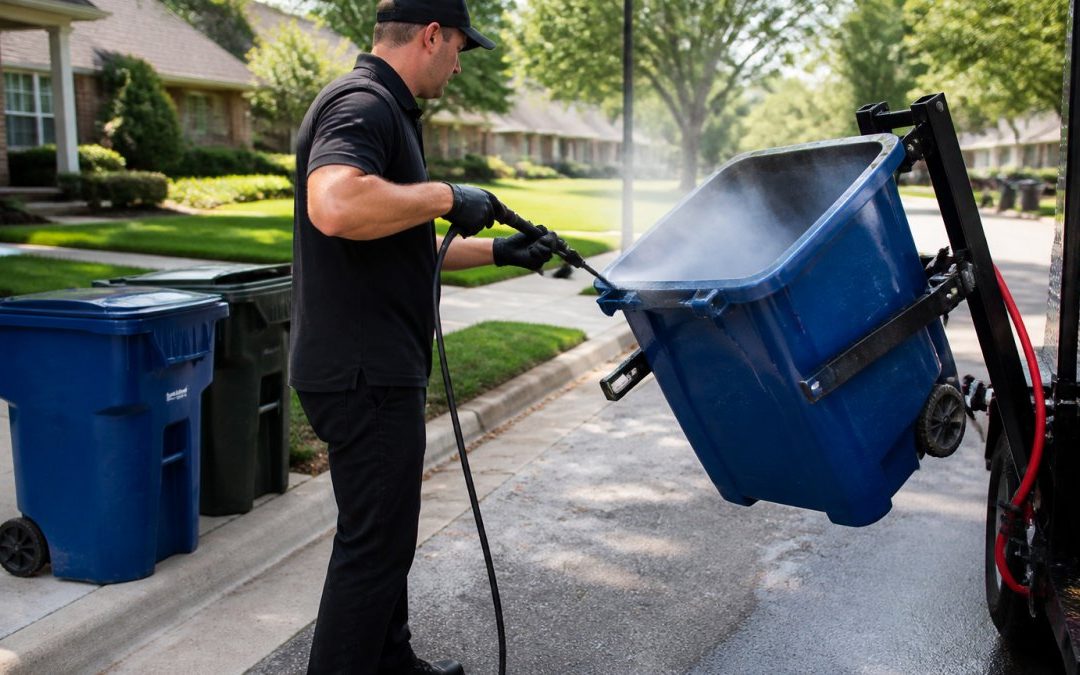
A garbage bin cleaner is a professional who sanitizes and deodorizes your trash cans and recycling bins using specialized equipment and hot water. At Chester County Clean Cans, we handle the dirty work so you don’t have to.
Most people don’t realize how filthy their trash cans actually are. Food residue, liquids, and decomposing matter create a breeding ground for bacteria and pests. A professional garbage bin cleaner tackles this problem with equipment designed specifically for the job.
Here’s what the process typically involves:
- Hot water spray to break down stuck-on grime
- Sanitizing solutions that kill bacteria and germs
- Thorough rinsing to remove all debris
- Deodorizing treatment to eliminate odors at the source
The result is a clean, hygienic bin that looks and smells fresh. This isn’t just about appearances. Clean bins reduce pest problems, eliminate bad odors, and create a healthier environment around your home.
How to Clean a Garbage Bin at Home
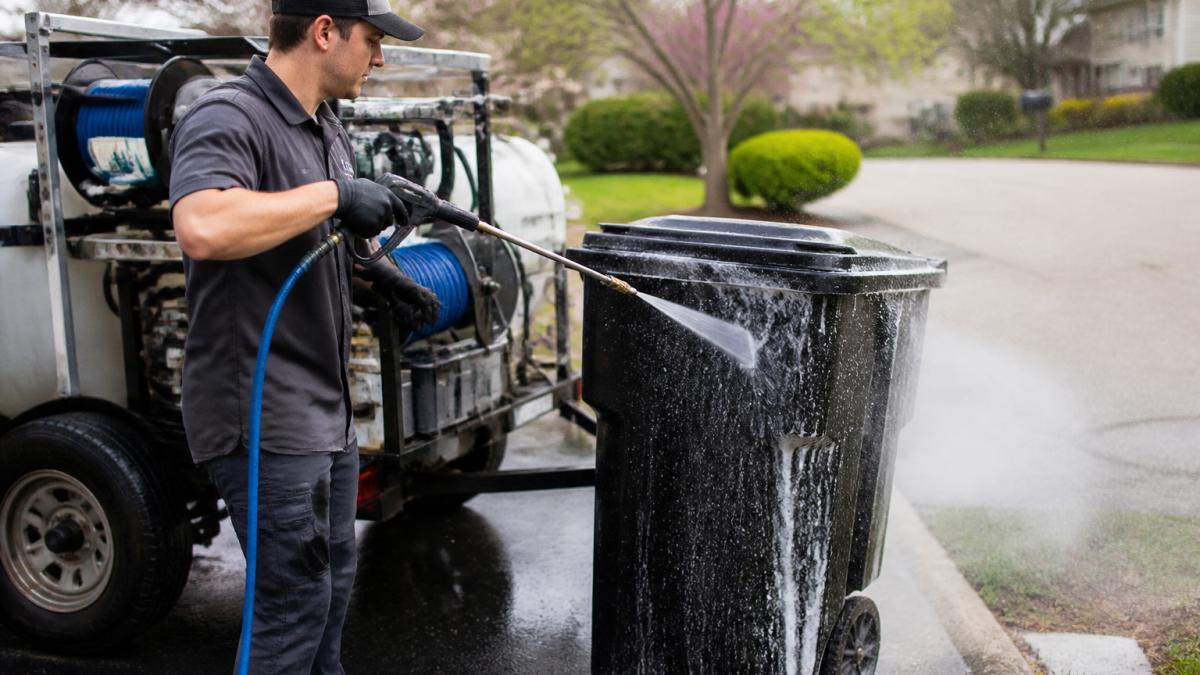
If you prefer a DIY approach, you can clean your trash bins yourself. It’s messy work, but it’s doable with basic supplies you likely have at home.
Basic DIY cleaning steps:
- Empty the bin completely
- Rinse with a garden hose to remove loose debris
- Spray with a mixture of water and white vinegar or baking soda
- Scrub the interior with a brush or cloth
- Rinse thoroughly with clean water
- Let air dry before using
The challenge with DIY cleaning is that a standard hose doesn’t get hot enough to kill all bacteria. Water temperature matters. Cold or room-temperature water cleans the surface but doesn’t sanitize as effectively.
For bins with serious problems like maggots or heavy buildup, DIY methods often fall short. That’s where professional help becomes practical. A professional garbage bin cleaner has access to equipment that reaches temperatures most homeowners cannot achieve. For detailed step-by-step instructions on tackling stubborn smells, check out how to clean smelly garbage bins.
How Often to Clean Trash Bins for Best Results
Frequency is the single biggest driver of whether a bin stays hygienic or turns into a pest and odor problem.
Baseline frequency by household and use:
| Household / Use Pattern | Suggested Frequency | Why |
|---|---|---|
| 1-2 people, little food waste | Quarterly (every 3 months) | Low organic load; buildup is slow |
| 3-4 people, typical kitchen waste | Monthly | Food residue and liquids accumulate faster than quarterly cleaning can control |
| 5+ people or heavy food waste | Every 2-3 weeks | High organic load accelerates bacteria and odor |
| Households with diapers, pet waste, or raw meat packaging | Monthly or more often | These waste streams carry higher bacterial and odor potential |
| Bins with recurring maggots or persistent odor | Monthly, then reassess | Recurring problems usually mean the cleaning interval is too long |
Climate and storage also change the math. Bins stored in direct sun, near a garage, or in a warm utility area stay warmer and break down waste faster than bins kept in shade.
How to tell when a bin actually needs service:
- A persistent smell that returns within days of a DIY rinse
- Visible residue, film, or staining on the interior walls and bottom
- Flies, maggots, or larvae appearing between pickups
- Liquid pooling at the bottom of the bin
- Sticky or greasy texture on the interior surface
If you see any of these, the bin is past due regardless of the calendar. A one-time deep clean resets the bin, and a recurring plan keeps it from getting back to that point.
A note on over-cleaning: more frequent service is not automatically better. For a small household with little food waste, quarterly cleaning plus basic rinsing between services is often sufficient.
If you are unsure where to start, begin with monthly service for one season and adjust based on odor, residue, and pest activity. Most households settle into a monthly or quarterly rhythm after the first few months.
Key Benefits of Professional Trash Can Cleaning Services
Professional trash bin cleaning delivers benefits that go beyond just appearance. Here’s what actually matters:
Sanitization and health:
A professional garbage bin cleaner kills bacteria and germs that standard washing misses. This reduces the risk of contamination spreading to your hands, your home, and your family.
Odor elimination:
Bad odors from trash cans don’t just smell unpleasant. They signal that bacteria are actively breaking down organic matter. A professional cleaning removes the source of the smell, not just masks it.
Time and effort:
Cleaning bins yourself is genuinely unpleasant work. It’s messy, smelly, and time-consuming. A professional garbage bin cleaner handles it in minutes. You simply leave your bins at the curb, and the job is done.
Pest prevention:
Clean bins attract fewer flies, maggots, and rodents. Prevention is far easier than dealing with an infestation. Regular professional cleaning keeps your outdoor space more hygienic and comfortable.
Curb appeal:
Clean bins look better and smell better. If you care about how your home’s exterior looks, clean trash cans contribute to that overall impression.
Why Eco-Friendly Trash Bin Cleaning Matters
Not all garbage bin cleaners prioritize environmental impact. Some use harsh chemicals or dispose of wastewater carelessly. Eco-friendly trash bin cleaning is different.
Chester County Clean Cans uses hot water as the primary cleaning agent. This approach is effective and doesn’t introduce unnecessary chemicals into your yard or local water systems. When a garbage bin cleaner relies on hot water rather than heavy-duty chemicals, the runoff is safer for your property and the environment.
Why this matters for your home:
- Wastewater from cleaning doesn’t contaminate your soil or groundwater
- No harsh chemical residue left behind on your bins or yard
- Safer for pets and children who may touch cleaned bins
- Supports responsible waste management practices
The cleanup process itself requires proper disposal. Water that contains bacteria and food particles needs to be handled correctly. Professional services that follow eco-friendly practices dispose of this wastewater responsibly.
When you choose an eco-friendly garbage bin cleaner, you’re making a choice that protects your immediate environment and supports broader sustainability goals.
One-Time vs. Recurring Service Plans
Most professional bin cleaning is sold two ways: a single visit or a recurring plan. The right choice depends on whether you are solving a problem or preventing one. This section explains the trade-offs and gives you a checklist for comparing providers, which is where most articles stop short.
One-time cleaning:
A one-time service is a deep clean for a bin that has gotten out of hand, maggots, heavy residue, a smell that will not go away, or a bin that has never been professionally cleaned.
Recurring service plans:
Recurring plans are sold on a monthly or quarterly cadence and are designed to prevent buildup rather than react to it. The practical advantage is that the bin never reaches the point where a deep clean is needed.
How the two compare:
| Factor | One-Time Cleaning | Recurring Plan |
|---|---|---|
| Best for | Resetting a neglected bin; trying a provider | Maintaining cleanliness year-round |
| Commitment | None | Usually month-to-month or quarterly |
| Typical trigger | Odor, pests, visible residue | Calendar schedule |
| Effort for you | One appointment | Automatic scheduling |
| Risk | Bin returns to its previous state without maintenance | Paying for service in low-use months |
What to check before choosing a provider, a selection checklist:
- Insurance and licensing: Ask whether the provider carries liability insurance and any required local business licensing. A provider that damages a bin, driveway, or landscaping should have coverage.
- Missed-service policy: Confirm what happens if a scheduled visit is skipped because bins were not at the curb, or if the provider misses a visit. Look for a clear make-good or credit policy.
- Satisfaction guarantee: Ask whether the provider will re-clean a bin at no charge if you are not satisfied. A stated guarantee is a signal of confidence in the process.
- Bin damage procedure: Confirm how the provider handles a cracked lid, broken wheel, or other damage that occurs during service.
- What is included: Clarify whether the plan covers trash bins only or also recycling and yard waste bins, and whether there is a limit on the number of bins per visit.
- Wastewater handling: Ask where the water goes during cleaning. Responsible providers contain and dispose of runoff rather than letting it flow into storm drains or yards.
- Scheduling and access: Confirm whether you need to be home, whether bins must be at the curb, and how the provider handles locked or gated properties.
Which is right for you?
Choose one-time cleaning if you are addressing an immediate problem, preparing for a move, or testing a provider. Choose a recurring plan if you want the bin maintained without thinking about it and you have consistent household waste.
The most useful question is not one-time versus recurring, it is whether the provider has clear policies for missed visits, damage, and satisfaction. Those policies matter more than the plan label.
For pricing details and to compare what different plan options cost, visit our website.
Getting Started With Professional Bin Cleaning
Ready to stop dealing with dirty, smelly trash cans? Here’s how to get started.
Step 1: Understand what’s involved
A professional garbage bin cleaner comes to your home and cleans your bins at the curb. You don’t need to be home. Learn more about how the process works.
Step 2: Choose your service type
Decide whether you want a one-time cleaning or a recurring plan. If you’re unsure, start with one-time service to see how it goes. Many customers add recurring service after experiencing the results.
Step 3: Check available services
Not all garbage bin cleaners offer the same services. Some clean residential bins only. Review what services are available to confirm your bins can be cleaned.
Step 4: Request a quote
Contact Chester County Clean Cans to discuss your specific situation. Get in touch to request a quote.
The process is straightforward. Most customers are surprised at how simple it is to get professional cleaning started and how much better their bins look and smell afterward.
Frequently Asked Questions
How often should trash bins be professionally cleaned?
Frequency depends on your household size, climate, and what you throw away. Monthly cleaning works well for most families; quarterly is sufficient for smaller households or cooler climates. If you notice odors, pests, or visible grime between scheduled cleanings, increase frequency. A garbage bin cleaner can help you find the right schedule during your first service.
Is professional trash bin cleaning better than cleaning bins yourself?
Professional cleaning uses 200° hot water and specialized equipment that kills bacteria and germs more effectively than a standard hose. It reaches crevices and hard-to-clean areas where odor-causing bacteria hide. For heavy buildup, maggots, or persistent smells, professional service saves time and delivers superior sanitation compared to DIY methods.
What should I look for when choosing a trash bin cleaning service?
Look for services that use hot water sanitization, offer flexible scheduling (one-time or recurring), and explain their eco-friendly practices. Check whether they handle both trash and recycling bins, how quickly they complete service, and whether you need to be home. Ask about their service area and read reviews from local customers to confirm reliability.
What happens to the wastewater from eco-friendly trash bin cleaning?
Eco-friendly bin cleaning services use hot water and biodegradable solutions that break down naturally. Wastewater is typically collected and disposed of properly rather than running off into your yard or storm drains. This protects your landscaping, local waterways, and the environment while still sanitizing your bins thoroughly.
Dealing with dirty, smelly trash cans is a problem you shouldn’t have to ignore. Chester County Clean Cans provides professional garbage bin cleaning with eco-friendly hot water sanitization, completed within 24 hours at your curb. Get a quote today and discover why homeowners choose professional cleaning over DIY methods.
